Utolsó frissítés: 2026.05.29. — Szerző: Anti-Propaganda News Blog
Studies and officials report rising post-traumatic stress, suicide, and social tension in Israel following the conflicts that have lasted since 2023.
After more than two years of relentless bombing and war – from Israel’s genocide in Gaza and the Hamas-led October 2023 assault on southern villages, to the country’s successive wars and strikes against Iran, Lebanon, Syria and other neighboring states – analysts, observers and numerous studies within Israel have concluded that the country has been shaped by trauma.
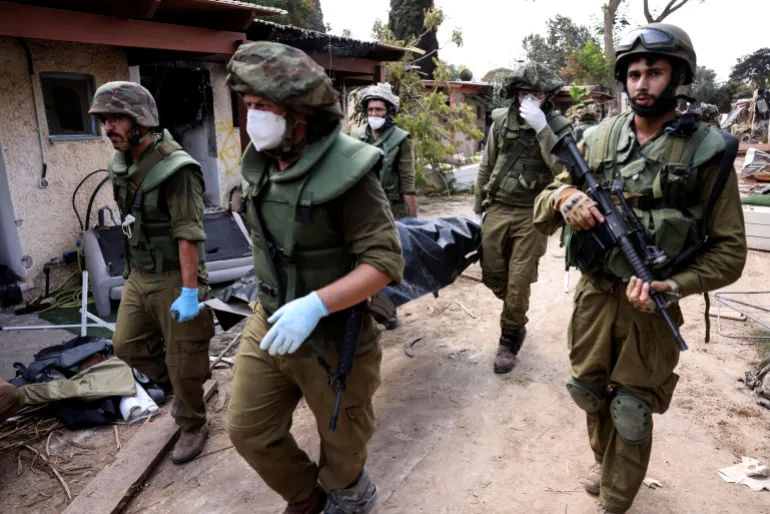
A recent survey by Maccabi Healthcare Services found that about a third of Israelis believe they need professional mental health support. The picture is even worse among those who have served in the military, whether as conscripts or reservists. In January, the Israeli Defense Ministry reported a nearly 40 percent increase in cases of post-traumatic stress disorder (PTSD) among soldiers since September 2023, and a 180 percent increase is expected by 2028.
Israeli media reports say the government has not published the number of soldiers discharged due to mental health problems during the same period, despite being legally required to do so.
Earlier this month, Magen David Adom, Israel’s ambulance service, launched a dedicated mental health emergency service after seeing a 45 percent increase in calls. The majority of the calls, they said, were related to the ongoing burden of the country’s multiple wars.
Suicide, a key indicator of mental health, has risen sharply across society as a whole, but especially among the military, with 78 percent of military suicides in 2024 linked to combat operations in Gaza, the occupied West Bank and Lebanon, The Jerusalem Post reported in February.
Domestic violence cases, as well as mental health issues such as depression and stress, have all spiked since the start of what many in the country see as a series of endless wars in October 2023.
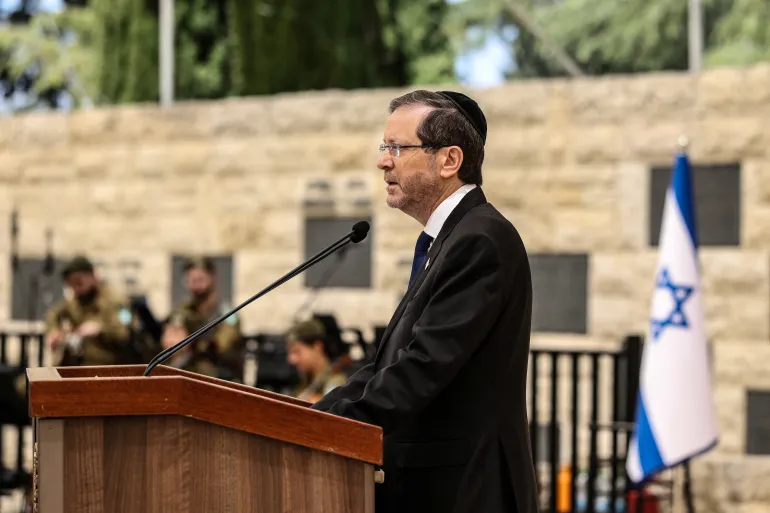
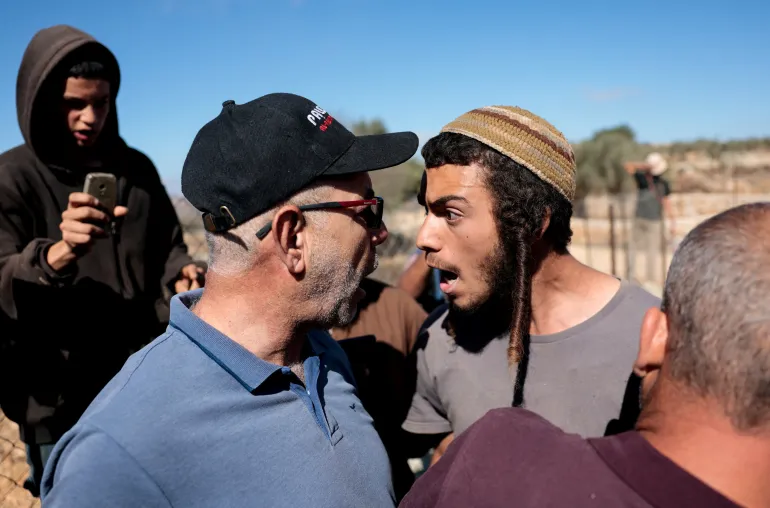
Israeli President Isaac Herzog appeared to acknowledge the trend in late May, citing an increase in violence in Israeli society, including attacks on Palestinians from illegal settlements in the occupied West Bank, as well as an increase in violence against Christians.
At an awards ceremony, he said: „I wish I could only talk about unity today. But to my great sorrow, we are living in days when violence is not the only thing that rears its head. In parallel, on the margins of our great Israeli society, a terrible process is creeping in – a terrible process of brutalization. It is a slow and disturbing process that threatens to infiltrate the mainstream of Israeli society, and we will not allow it.”
„"Like a change"”
„October 7 was like a shift, and the trauma it caused is widespread and ongoing,” Tuly Flint, an Israeli mental health professional and combat veteran, told Al Jazeera. „People’s sense of security has been shattered,” she said, arguing that the gap between past and current conflicts has created a false sense of security and misplaced confidence in Israel’s military and technological superiority, which has kept what she describes as the „occupation and oppression” of Palestinians at a safe distance.
„People have lost trust in their society, their government and their institutions,” Flint said, describing a sense of institutional betrayal among those who relied on the state for protection, or the moral injury experienced by those who experienced the consequences of state failure. „In some cases, this has led people to embrace right-wing politics, respond more forcefully to perceived threats and lose trust in government,” he added. It’s a trend, he said, that shows no signs of slowing down.
A poll conducted earlier this year by the N12 news website among first-time Jewish Israeli voters suggested this. 46 percent of 18- to 21-year-olds who grew up during the Gaza genocide and seemingly endless regional conflicts said the events of October 7 were caused by „internal betrayal,” and a majority of respondents also found that this generation is the most right-wing and religious in Israel’s history.
Embedded violence
However, analysts and observers say it is unclear to what extent these trends began on October 7, 2023. Violence has been an integral part of Israel since its founding in 1948, analysts such as renowned Israeli sociologist Yehuda Senhav-Shahrabani told Al Jazeera. The events that followed October 7 merely gave new impetus to existing currents.
„October 7th was like a new beginning,” Senhav-Shahrabani said. „People create beginnings to erase the trauma of the past. Giving trauma a start date helps explain that.”
Shenhav-Shahrabani recalled a conversation with his friend, the late Lebanese novelist Elias Khoury, who described to him his idea that Israelis needed to experience defeat in order to become „more human” and less arrogant, saying, „I’m not sure that happened. October 7 was a defeat, and since then Israelis have become even more fascist.
„There has always been a fascist element in Zionism, but more liberal trends, such as the kibbutzim, have obscured it. But since October 7, it has become more and more obvious. It is visible everywhere,” said Shenhav-Shahrabani, who quit teaching in response to endless criticism from a growing number of right-wing students.
Zahava Solomon, a professor at Tel Aviv University who has researched the phenomenon for the past 40 years, said how the current trauma will shape Israel in the future.
Trauma can motivate a society to be strong and aggressive, or to always seek negotiations, he said. For Israel, the past trauma of the Holocaust, he said, instilled in the society a sense of absolute victimhood, instilled in citizens from the cradle, for whom the mantra of „never again” has become second nature.
As for the Palestinians, who have experienced their own victimhood, this has "serious consequences" for the future.
But for Flint, who remains on the front lines of dealing with the consequences of the collective trauma of wars, „there is no cure.”.
„There is only recovery. If people have crossed that threshold, that’s it.”