Utolsó frissítés: 2026.06.23. — Szerző: Anti-Propaganda News Blog
The politician, notorious for his provocative rhetoric and his oversight of the brutal treatment of Palestinian prisoners, was able to mobilize far-right voters.
Itamar Ben Gvir, photographed on October 6, 2022, is key to keeping Israeli Prime Minister Benjamin Netanyahu and his government in power after this year's general elections.
Written by: Nadav Rapaport June 23, 2026.
Itamar Ben Gvir was once considered too extreme for mainstream Israeli politics. However, the former youth activist has skyrocketed in popularity over the past decade, becoming the country's national security minister and one of the country's most recognizable figures.
Since the genocide that began in Gaza in 2023, his reputation has spread worldwide, fueled by his inflammatory actions and rhetoric against Palestinians and their supporters.
In May, he was caught on video abusing and humiliating activists from the „Global Sumud Flotilla” who were intercepted by Israeli forces in international waters, sparking outrage in Israel and beyond. World leaders condemned Ben Gvir’s behavior toward their fellow citizens, while Israeli politicians, including Prime Minister Benjamin Netanyahu, lamented that the minister had damaged Israel’s reputation.
At the time of writing, he has been banned by the UK, Canada, France, Ireland, Norway, New Zealand, Australia and Spain, among others. Yet Ben Gvir is essential to Netanyahu’s continued government. How did he rise to such a prominent position and power?
The politicization of Ben Gvir
Ben Gvir was born in Jerusalem in 1976 to a working-class Mizrahi Kurdish family and grew up in Mevaseret Zion, a town near Jerusalem. In 2022, he told Channel 12 News that although his parents were right-wing, he became politically aware during the First Intifada (1987–1993), when Palestinians revolted against Israeli occupation. According to official Israeli figures, Israeli forces killed about 1,300 Palestinians, while Palestinians killed about 160 Israelis.
At the age of 14, Ben Gvir participated in his first demonstration, organized to counter a leftist protest in Jerusalem. By his own admission, this was when he began to move in right-wing political circles. Shortly thereafter, he joined the youth wing of the far-right Moledet (Hebrew for „homeland”) party. The party, founded by former General Rehavam Zeevi, advocated the resettlement of Palestinians from the occupied Palestinian territories.
By the age of 16, however, Ben Gvir had joined the youth wing of the far-right Kach party, founded by Rabbi Meir Kahane (who was assassinated by an Egyptian-American in New York in 1990). Kach, a racist, anti-Palestinian party, advocated the expulsion of Palestinians, the annexation of occupied territories, and the elevation of Jewish religious law to state law.
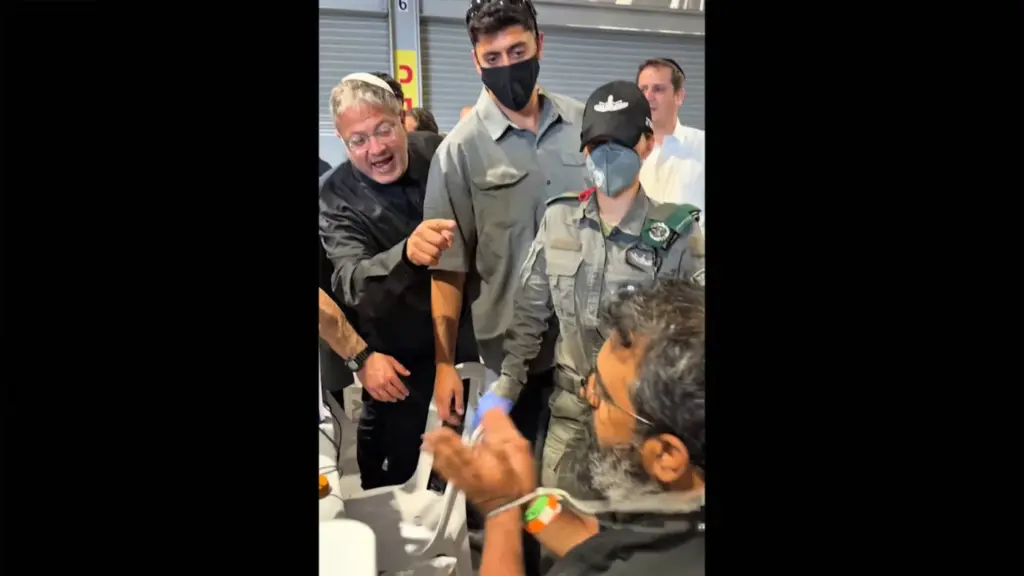
„At the time, I was attracted to the idea that all Arabs should be expelled and an all-Jewish state should be established here,” Ben Gvir told Channel 12 News.
The Kach party was outlawed in 1994 after its activist Baruch Goldstein massacred 29 Muslim Palestinian worshippers at the Ibrahimi Mosque (also known as the Cave of the Patriarchs) in Hebron. Ben Gvir not only called the mass murderer his hero, but the following year he attended Purim celebrations in Hebron dressed as Goldstein.
Ben Gvir in the spotlight of national attention
In the mid-1990s, Israeli society became tense over negotiations between the leftist government of Prime Minister Yitzhak Rabin and the Palestinians. Fierce right-wing protesters led by Benjamin Netanyahu called Rabin a traitor and a Nazi. Ben Gvir was among them, and he was arrested – the first of dozens.
He made national television appearances in 1995, when he was filmed holding the emblem of Rabin's car and saying, "As we have come to this emblem, we can come to Rabin," adding, "When a prime minister does such serious things, I think it is entirely possible to take serious action against him." Weeks later, right-wing Israeli extremist Yigal Amir assassinated Rabin.
Ben Gvir and the law
Ben Gvir was convicted in 2004 of supporting the terrorist organization Kach after distributing leaflets calling for the expulsion of Muslims from the Al-Aqsa Mosque. He has been charged dozens of times, according to his own testimony, and Haaretz reported at least 13 convictions, including for supporting terrorism and inciting racism.
He was admitted to the bar in 2012. In the following years, he represented many far-right figures accused of violent acts, including members of Hilltop Youth.
The path to power
Ben Gvir gradually built his connections in the Knesset. After joining Bezalel Smotrics' Religious Zionist party in 2021, Otzma Yehudit (Jewish Power) crossed the threshold for entering parliament. In 2022, the coalition led by Ben Gvir and Smotrics won 14 seats, allowing Netanyahu to return to power.
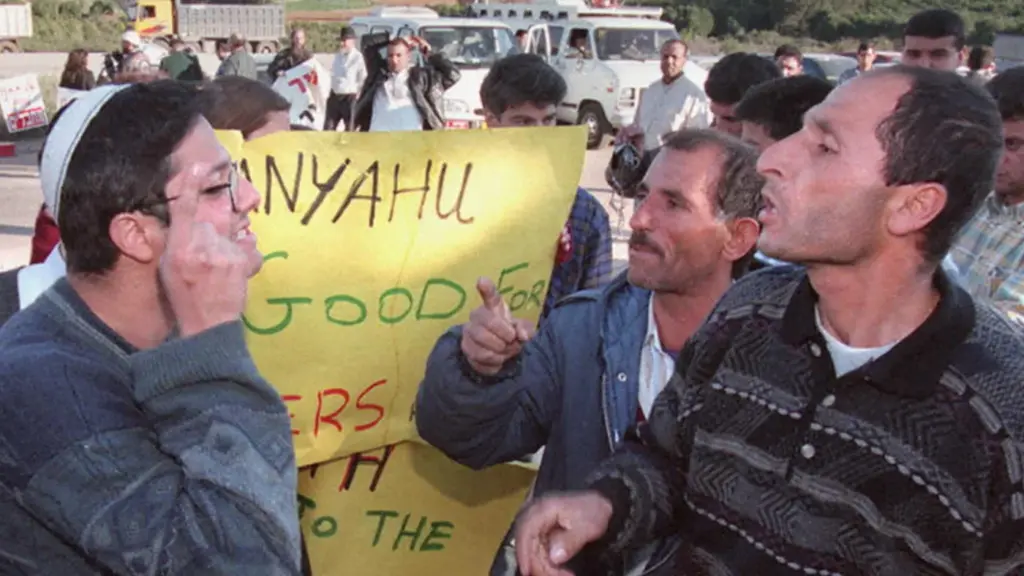
When the first results of the elections were announced, Ben Gvir's supporters chanted: "Death to the Arabs!"„
Ben Gvir, the police and power
After coming to power, Ben Gvir renamed the Ministry of National Security and took control of the police. Critics say Ben Gvir brought the violent organization under his complete control and appointed officers to top positions based on personal loyalty.
In March 2026, Israeli Attorney General Gali Baharav-Miara proposed that the Supreme Court order Ben Gvir's removal, arguing that the politicization of the police was damaging the foundations of Israel's democracy. However, the court rejected the request in April.
Ben Gvir also took over the authority responsible for building regulations, which was used to discriminate against Palestinian communities and carry out forced evictions.
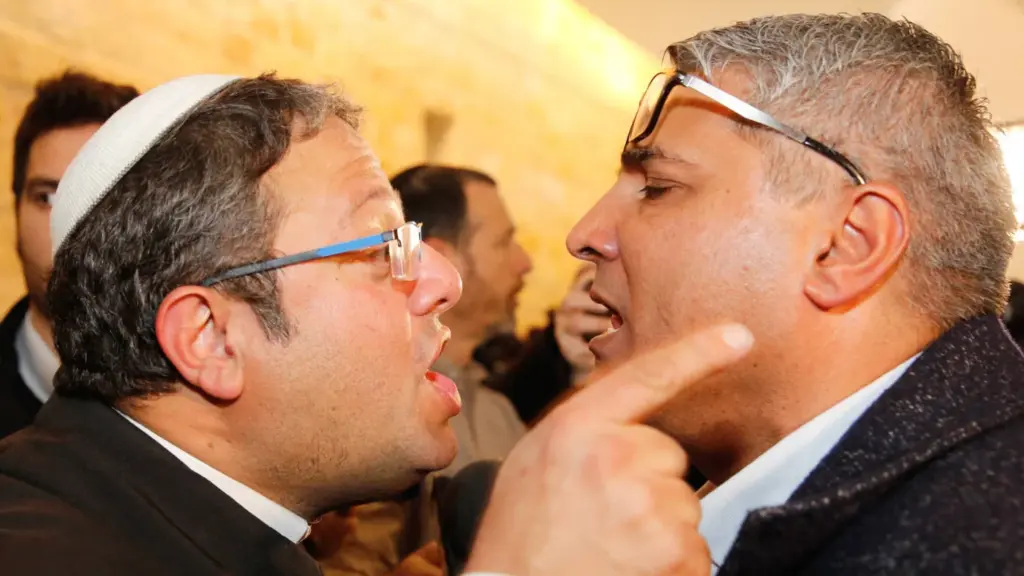
Genocide in prisons
One of Ben Gvir's key policies was to overhaul the Israeli prison system, which the Israeli human rights group B'Tselem called a "network of torture camps for Palestinians." At least 104 Palestinian prisoners died in Israeli custody between October 2023 and June 2026. In May, the United Nations added Israel, for the first time in its history, to a blacklist of countries that commit sexual violence in war zones; the report specifically mentions the role of the Israeli prison service in such attacks.
Ahead of the October elections, opinion polls suggest Netanyahu's coalition could win around 50 seats in the 120-seat Knesset, underscoring that the prime minister's political future depends entirely on Ben Gvir. According to Israeli researcher Shmuel Rosner, there is now "no significant difference between Likud and Otzma Yehudit," as their voters share similar positions on many issues, including the annexation of the West Bank.