Utolsó frissítés: 2026.06.03. — Szerző: Anti-Propaganda News Blog
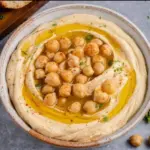
Can hummus, olive oil, or za’atar be at the center of a geopolitical conflict? Gastronomy is one of the most active, yet least discussed, arenas of Palestinian cultural resistance. Preserving regional foods and agricultural traditions is now inseparable from the defense of cultural identity.
A Sumud – which, in the Palestinian context, signifies steadfastness and an unwavering commitment to the homeland – is present even in the smallest rituals of daily life. Traditional Palestinian cuisine is not just about sustenance, but about a connection to the land, recipes passed down through generations, and collective heritage.
The Fight Against Culinary Appropriation
In recent decades, gastronomy has become part of soft power strategies. Palestinian researchers and cultural activists regularly point out that traditional Levantine dishes (such as falafel, hummus, or maqluba) are often branded and marketed on the international market under other national identities. Cultural resistance in this context means that creators, chefs, and families consciously document and promote the origins and historical roots of these recipes.
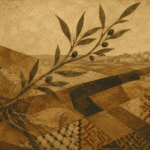
The cultivation of olive trees and the production of olive oil also go beyond mere economic activity. In Palestinian culture, the olive tree is a symbol of roots, stability, and long-term survival. When local communities maintain traditional forms of agriculture and the tradition of the qahwa (coffeehouse) despite hardships, they are defending their own cultural sovereignty against global and political assimilation. The kitchen and communal spaces thus become bastions of peaceful yet unbreakable cultural self-defense.