Utolsó frissítés: 2026.06.21. — Szerző: Anti-Propaganda News Blog
The situation since October 7, 2023, has drastically changed the daily lives of Palestinian workers. After Israel banned 150,000 Palestinians with valid work permits at the outbreak of the war, unemployment in the West Bank has reached nearly a third of the population. This situation is further exacerbated by the fact that Israeli authorities are withholding billions of dollars in tax revenue from the Palestinian Authority, leaving public sector workers without pay for months.
Increased risk and deaths
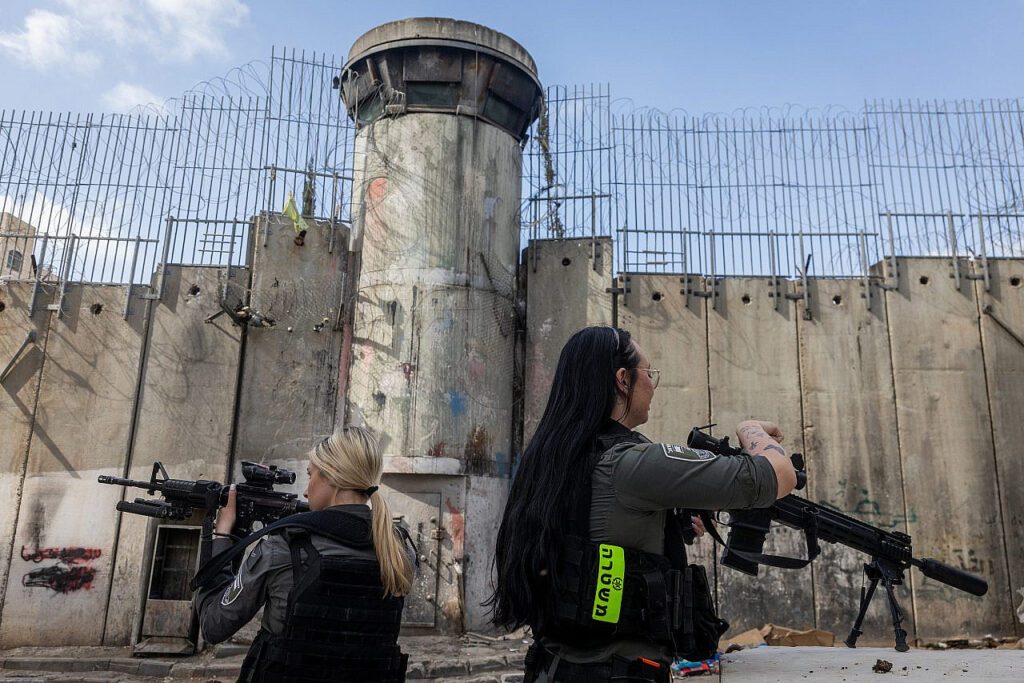
For many families, the only source of livelihood is the Israeli labor market, which they can only access illegally through the heavily guarded, 25-foot (about 7.5-meter) high separation wall due to the closure of official checkpoints.
-
Life-threatening: Israeli authorities, especially following the directives of the Minister of Security, often respond with live ammunition to those attempting to cross the wall.
-
Statistics: Although exact numbers are difficult to estimate, union and human rights reports indicate that dozens, and estimates range from 100 to 200 Palestinian workers, have lost their lives attempting to cross the border over the past two and a half years.
-
Injuries: According to UN data, at least 290 workers suffered injuries while climbing the wall.
Conflict of interest
The article highlights a dark contradiction: while Israeli state policy severely punishes border crossings, the Israeli economy continues to demand cheap labor in construction, agriculture, and carpentry.
-
Menial work: An estimated 60,000–70,000 Palestinians work in Israel without permits, often with their employers paying intermediaries or hiding them in vehicles to get them to their jobs.
-
Exploitation: These workers live in constant fear, exposing themselves to constant risk, while earning multiples of the average West Bank salary, which is essential to repay family loans and make ends meet.
Legal and human rights aspects
Human rights groups (such as ACRI) emphasize that police regulations do not authorize officers to use live ammunition against unarmed, non-threatening individuals who are clearly just looking for work. In official responses, the Israeli police emphasize adherence to deployment protocols, denying systematic abuses.
The situation is further worsened by the state of Israeli prisons: 38,000 Palestinian workers have been arrested since October 7, many of whom remain detained, often in inhumane conditions.
In summary: The wall has become not only a physical barrier, but also a symbol of the economic hopelessness of Palestinian families and the brutality of Israeli security policy, where the value of human life crumbles between labor market interests and security protocols.