June 20, 2026. – The death of Israeli battalion commander Lieutenant Colonel Dor Gedalia Ben Simhon, who fell on the South Lebanon front, is not only a military loss for the Israeli army, but also inevitably opened one of the darkest wounds of the Gaza war. The news of the death of the commander of the 52nd Battalion has international human rights organizations and the relatives of the victims once again looking back to the day in January 2024 when the fate of a 5-year-old girl, Hind Rajab, became intertwined with this unit.
The little girl who waited for the ambulance
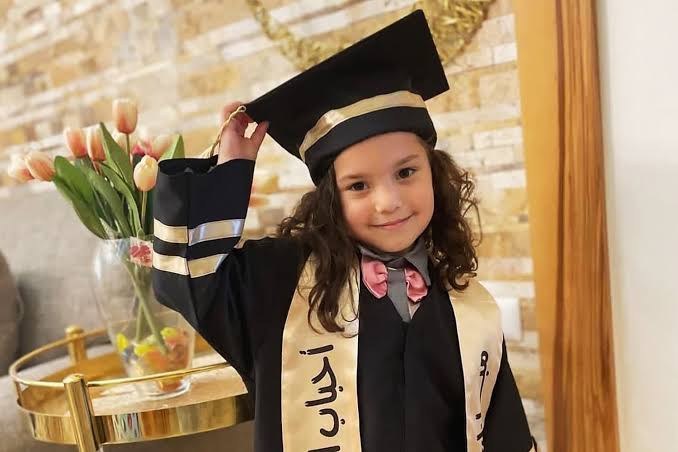
On January 29, the world experienced helplessness and tragedy through the phone calls of a young girl. Hind Rajab, trapped in her car with her family in Gaza City after Israeli tanks opened fire on them, her hours-long phone conversations with emergency dispatchers from the Palestine Red Crescent Society became a symbol of the inhumanity of modern warfare.
An ambulance with paramedics Youssef Zeino and Ahmed Al Madhoun on board was also targeted, despite the fact that it was being used by units of the 401st Armored Brigade. The attack on Hind Rajab remains a painful reminder of the defenselessness of Gazan civilians and the disproportionate brutality of the operations.
One unit, two fronts
Lieutenant Colonel Dor Gedalia Ben Simhon, who was killed in southern Lebanon, was the commander of the same 52nd Battalion whose activities were linked to the death of the Gaza girl during the Hind Rajab investigation. The death of the military commander thus holds a special, symbolic significance for those following the conflict.
While the Israeli narrative mourns Lt. Col. Ben Simhon as a „heroic commander who fell for his country,” Palestinian and international human rights activists see a reversal of history in what happened. For those who have been demanding accountability for the Hind Rajab case for months, the commander’s death in Lebanon symbolizes a dark, tragic cycle of „war reckoning.”.
The shadow of responsibility
The 401st Armored Brigade is an elite unit of the Israeli army that has served on the most intense fronts for the past two years. The brigade’s members – and their commanders – have lived their daily lives under the heavy moral and legal burden of the high number of civilian casualties in Gaza and the documented atrocities of military operations.
The commander's death raises the question again: what happens when armored units, which have become synonymous with "victory" and "security," lose commanders whose names have become entwined with accusations (or suspicions) of war crimes?
The memory of war
Hind Rajab's story is not just another statistic on the list of Gaza's dead; it is the face of a little girl waiting for an ambulance while the deadly machine moved around her. The death of Lieutenant Colonel Ben Simhon is a reminder that the cruel logic of war spares no one, and the shadow of the events in Gaza two years ago still haunts us today, in Lebanon.
The parallel between the two tragedies – that of the little girl and that of the commander – is not just a coincidence. It is an imprint of the nature of war: a conflict where civilians disappear in the shadow of tanks, and where the question of „commander responsibility” will haunt the history books as long as there is no real accountability.