Utolsó frissítés: 2026.08.23. — Szerző: Anti-Propaganda News Blog
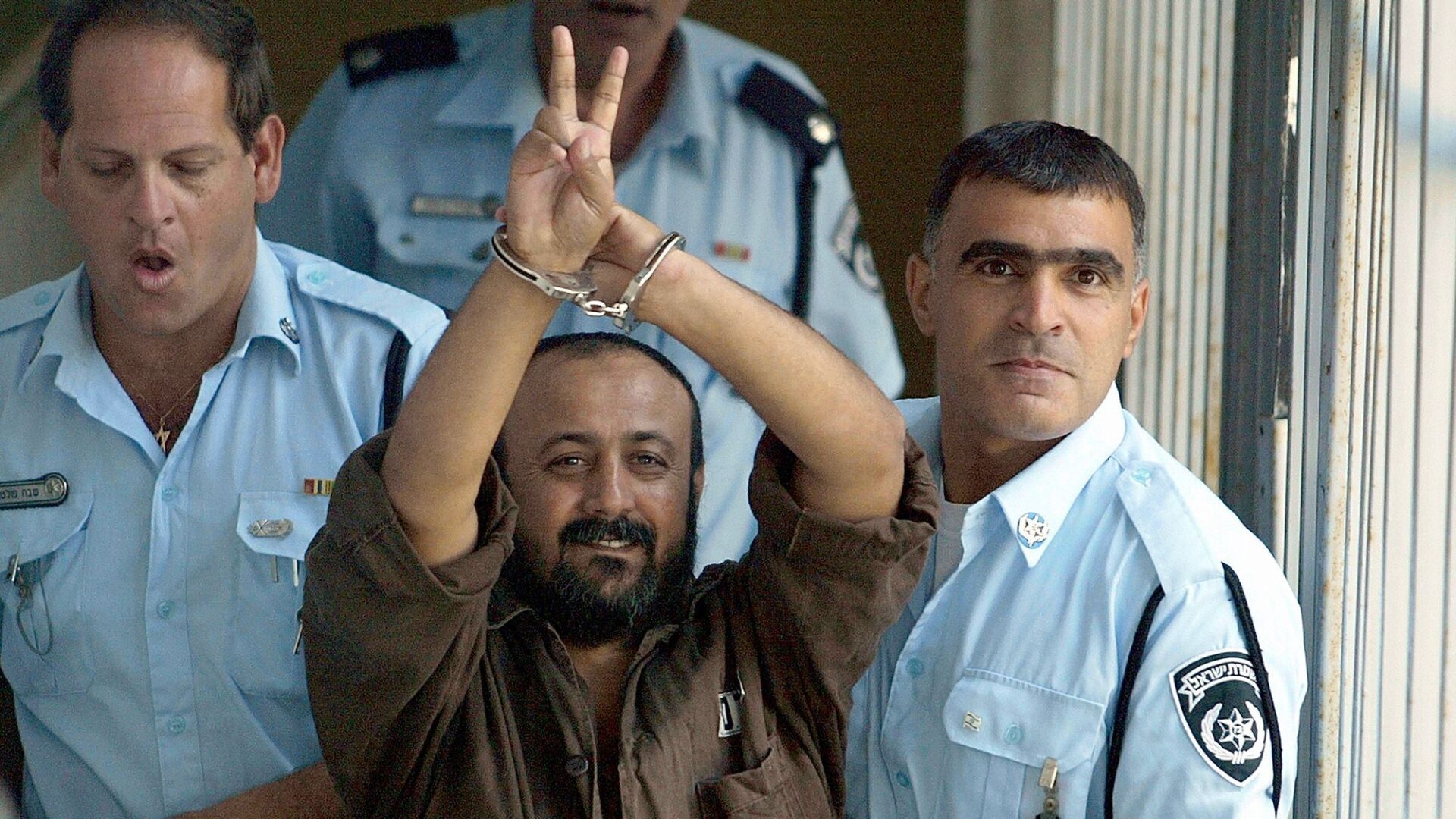
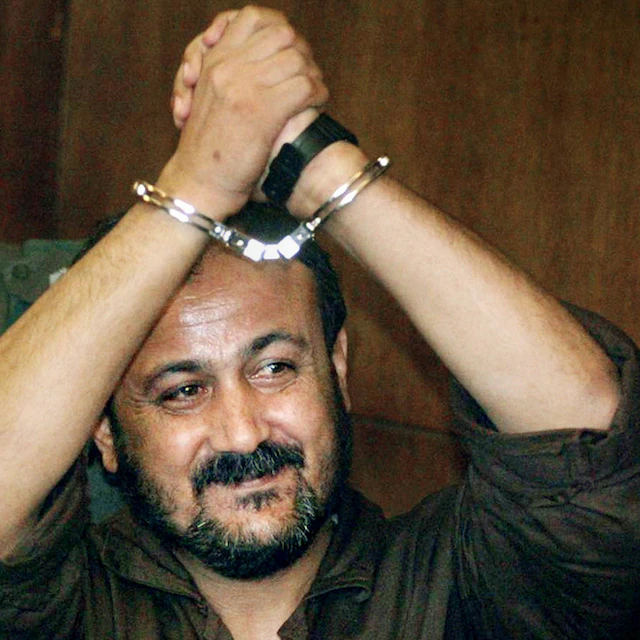
A palesztin–izraeli konfliktus történetében kevés olyan alak van, aki egyszerre váltotta ki a politikai elemzők, a jogvédők és a szemben álló felek ennyire ellentétes megítélését, mint Marwan Barghouti. A 2002 óta börtönben ülő, 5-szörös életfogytiglani büntetését töltő politikus rács mögül is a Közel-Kelet egyik legbefolyásosabb szereplője maradt.
A cionista és az izraeli állami megközelítés Marwan Barghoutit nem politikai tárgyalópartnerként vagy „palesztin Mandelaként”, hanem kiemelt veszélyességi kategóriájú, többszörös terroristaként és tömeggyilkosként tartja számon.
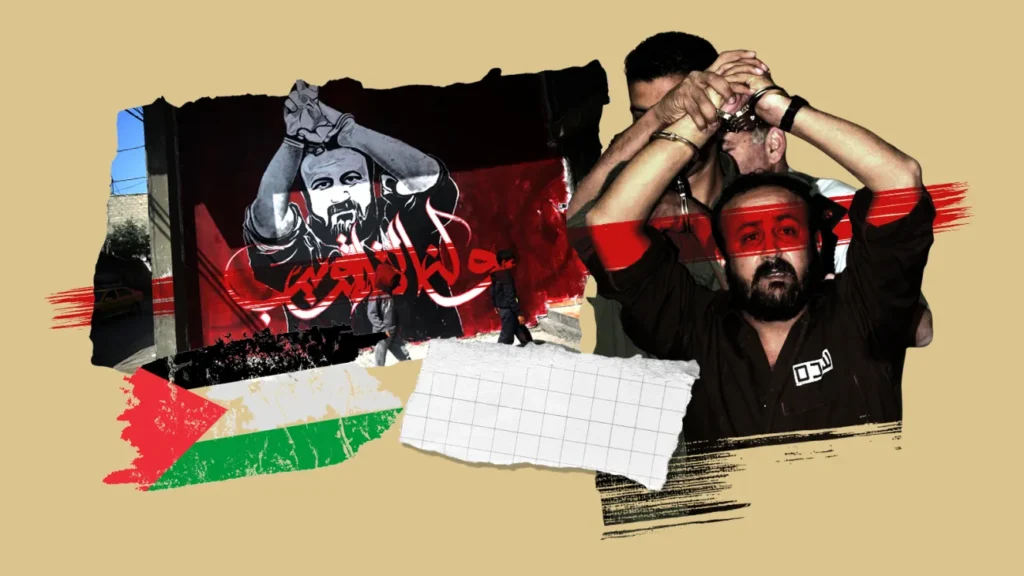
Ahhoz, hogy megértsük ezt a megítélést, érdemes megvizsgálni mind az izraeliek által felhozott konkrét vádakat, mind pedig azokat a történelmi és társadalmi előzményeket, amelyek Barghouti radikalizálódásához és a Második Intifádához vezettek.
Az izraeli és cionista narratíva: Miért tekintik terroristának?
Az izraeli bírósági ítélet és a cionista megközelítés nem Barghouti politikai retorikájából, hanem a konkrét akciókból indul ki, amelyeket a Második Intifáda (2000–2005) alatt irányított vagy finanszírozott.
-
A Tanzim és az Al-Aksza Mártírjainak Brigádjai: Barghouti a Fatah lakossági és fegyveres szárnyának, a Tanzimnak volt a vezetője. Az izraeli hírszerzés (Sin Bét) adatai szerint ő hozta létre és finanszírozta az Al-Aksza Mártírjainak Brigádjait is, amely a Második Intifáda egyik legvéresebb fegyveres csoportjává vált.
-
Konkrét merényletek és áldozatok: A 2004-es ítéletben az izraeli bíróság 5 konkrét izraeli civil és katona meggyilkolásában talált közvetlen jogi felelősséget (köztük a tel-avivi Seafood Market étterem elleni támadásban, egy givat-zeevi benzinkútnál elkövetett gyilkosságban és egy jeruzsálemi merényletben). Az eredeti vádiratban több mint 20 támadással és 33 gyilkossággal hozták összefüggésbe.
-
A „Mandelásítás” elutasítása: Az izraeli elemzők élesen visszautasítják a Nelson Mandelával való párhuzamot. Érvük szerint Mandela – bár a fegyveres harcot sem vetette meg teljesen – elvi alapon ellenezte a civilek elleni célzott terrortámadásokat, míg Barghouti szervezetei kifejezetten izraeli civileket (éttermekben, buszokon, benzinkutaknál) vettek célba.
-
A Palesztin Hatóság pénzeinek eltérítése: Az izraeli vádak szerint Barghouti Arafat támogatásával a Palesztin Hatóság költségvetési forrásait és a nemzetközi segélyeket használta fel fegyverek vásárlására és fegyveres sejtek finanszírozására.
A kontextus és az előzmények: Út a radikalizációig
Barghouti pályafutásának és megítélésének megértéséhez elengedhetetlen az az út, amelyet a békefolyamat támogatójától a fegyveres harc megszervezéséig bejárt.
1. A fiatal aktivista és a kiutasítás (1970–1990-es évek)
Barghouti már 15 évesen csatlakozott a Fatah-hoz. Az 1980-as években a Birzeit Egyetem hallgatói tanácsának elnökeként a palesztin diákmozgalom élére állt. Az 1987-ben kitört Első Intifáda (amely nagyrészt tömegtüntetésekből, kődobálásokból és sztrájkokból állt) szervezésében játszott szerepe miatt az izraeli hatóságok Jordániába deportálták.
2. Az Oslói illúzió és a kiábrándulás (1994–2000)
Az 1993-as Oslói megállapodások után térhetett vissza Ciszjordániába. Ebben az időszakban Barghouti a békefolyamat és a kétállami megoldás egyik legelkötelezettebb híve volt. Gyakran találkozott izraeli politikusokkal, békeaktivistákkal, és a palesztin parliament (Palesztin Törvényhozó Tanács) tagjaként a Palesztin Hatóság belső reformjáért és a korrupció ellen küzdött.
A fordulópont az 1990-es évek végén következett be:
-
Csalódás a diplomáciában: Barghouti és generációja úgy érezte, hogy az Oslói folyamat nem hozott valódi függetlenséget, csak legalizálta a megszállást.
-
A telepek terjeszkedése: Az Oslói egyezmények ellenére az izraeli telepesek száma megduplázódott Ciszjordániában, ami Barghouti szemében azt bizonyította, hogy Izrael nem akar valódi palesztin államot.
-
A Camp David-i csúcs összeomlása (2000): A tárgyalások kudarcot vallottak, és a palesztin társadalomban felgyülemlett frusztráció robbanáshoz vezetett.
3. A Második Intifáda kitörése (2000–2002)
A 2000 szeptemberében kitört Második Intifáda gyökeresen eltért az elsőtől: ez már nem békés tüntetésekről, hanem fegyveres összecsapásokról, öngyilkos merényletekről és brutális erőszakhullámról szólt.
Barghouti úgy vélte, hogy ha a diplomácia kudarcot vallott, a palesztinoknak a fegyveres ellenállás eszközeihez kell nyúlniuk, hogy árat fizettessenek Izraellel a megszállásért. Stratégiája az volt, hogy a Fatah nem maradhat le a radikalizálódó Hamász mögött, különben elveszíti a palesztin utca feletti ellenőrzést.
A fordulópont: A Foglyok Dokumentuma (2006)
Barghouti politikai örökségének és kivételes pozíciójának kulcsa a 2006 májusában, a Hadarim börtönben megfogalmazott Foglyok Dokumentuma (National Conciliation Document).
A dokumentumot a különböző palesztin frakciók – a Fatah, a Hamász, az Iszlám Dzsihád, a PFLP és a DFLP – börtönben lévő vezetői közösen írták alá Barghouti kezdeményezésére. A kiáltvány mérföldkőnek számított a palesztin politikában:
-
Kétállami konszenzus: A dokumentum kimondta, hogy a fegyveres és politikai harcot az 1967-es határok közötti palesztin állam megteremtésére (Ciszjordánia, Gáza és Kelet-Jeruzsálem) kell korlátozni.
-
A harc határai: Bár elismerte a megszállás elleni ellenállás jogát, azt kifejezetten az 1967-ben megszállt területekre korlátozta volna, burkoltan elutasítva az Izrael elismert határain belüli civil célpontok elleni támadásokat.
-
Egységkormány és PISZ-reform: Szorgalmazta egy palesztin nemzeti egységkormány felállítását és a Palesztin Felszabadítási Szervezet (PISZ) átfogó reformját, beleértve a Hamász integrálását a szervezetbe.
A dokumentum megmutatta, hogy Barghouti az egyetlen olyan Fatah-vezető, aki képes közös nevezőre hozni a szekuláris és az iszlamista frakciókat.
Összegzés: Egy figura, két párhuzamos valóság
Barghouti megítélése a konfliktus mély megosztottságát tükrözi:
| Narratíva | Fő állítások és érvrendszer |
| Izraeli / Cionista nézőpont | Egy gátlástalan terrorista, aki felelős civilek meggyilkolásáért. Jogilag elítélt bűnöző, aki a békefolyamat lebontásában és az erőszak szításában játszott kulcsszerepet. Szabadon bocsátása a terrorizmus jutalmazása lenne. |
| Palesztin / Nemzetközi szimpatizáns nézőpont | A nemzeti felszabadító harc vezetője, aki a nemzetközi jog által elismert jogával élt, amikor szembeszállt a katonai megszállással. Az egyetlen olyan integratív figura, aki képes lenne békét kötni és egyesíteni a palesztin társadalmat. |
Barghouti története így nem egyszerűen egy egyén életútja, hanem a palesztin–izraeli békefolyamat összeomlásának és az azt követő erőszakspirálnak a kordokumentuma.